If the three-point linkage on your Massey Ferguson 135 will not lift, lifts slowly, judders, or sinks after the engine is stopped, avoid ordering a replacement pump until the symptom has been narrowed down. Hydraulic lift faults can involve control settings, incorrect or low transmission/hydraulic oil, internal leakage, the control linkage, the lift cylinder or the pump. This practical guide explains where to start and how to identify which parts may require inspection.
Important: The MF 135 was produced in different configurations. Check your tractor's serial number and the correct operator's/workshop manual before relying on a specification or purchasing a part. This guide does not replace safe workshop diagnostics.
MF 135 hydraulic problems: quick symptom guide
| Symptom | Possible areas to investigate | Next sensible check |
|---|---|---|
| Three-point linkage will not lift | Control lever settings, oil level, pump drive or internal hydraulic fault | Confirm lever positions and oil condition as specified in the manual; do not assume the pump has failed. |
| Lift is slow, especially when warm | Oil specification, internal leakage, worn pump or control problems | Record whether the symptom changes with temperature and load. |
| Lift jerks or hunts | Control linkage, oil condition, air ingress or internal wear | Note whether the movement occurs with or without an implement attached. |
| Implement sinks after shutdown | Internal leakage in lift cylinder/valves or other system components | Have the leakage source identified before ordering seals or a pump. |
| Unusual hydraulic noise | Fluid supply, contamination, cavitation or mechanical wear | Stop work and investigate rather than continue operating under load. |
Seven checks to make before replacing hydraulic parts
1. Make the tractor and implement safe
Park on level ground, secure the tractor, lower the implement completely, stop the engine and follow the manufacturer's instructions for relieving stored hydraulic pressure before inspection. Never work beneath an unsupported raised implement. Hydraulic fluid can penetrate skin under pressure: never use a hand or finger to locate a leak. Suspected injection injuries need immediate emergency medical attention.
2. Confirm position-control and draft-control settings
The MF 135's Ferguson linkage controls can behave differently depending on the selected mode and lever positions. A control left in an unexpected position may resemble a fault. Refer to the appropriate operator's manual for the exact controls on your tractor; avoid changing internal adjustments by guesswork.
3. Check the correct oil level and specification
Inspect the transmission/hydraulic oil level according to the manual and look for milky fluid, visible contamination or water ingress. A low level or unsuitable oil can affect operation. Do not add an arbitrary modern hydraulic oil or UTTO: correct lubricant requirements depend on the tractor and system specification. Confirm the grade and any common-sump requirements in the correct service documentation.
4. Identify when the fault occurs
Record whether the lift fails from cold, only after warming up, only with a load, or after extended operation. These observations can help a mechanic distinguish control issues, leakage and pump wear without an unnecessary replacement.
5. Inspect visible linkage and external components
With everything secured and depressurised, look for visibly damaged controls, damaged fittings and signs of leakage. Many MF 135 linkage faults are internal; visible checks cannot prove a specific internal part is defective.
6. Check for internal leakage and control faults
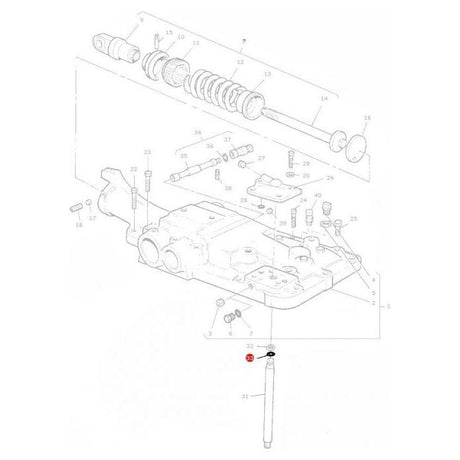
Lift-cylinder seals, valves, standpipe seals, internal lines and control components are possible fault areas. Accessing or testing them requires the correct workshop procedure. For pressure and leak-down tests, use a trained technician with the specified equipment and service manual.
7. Confirm the part against tractor identification
MF 135 machines vary by production period, engine and specification. Record the model, serial number, part markings, and details of any previous modifications. A correct-looking pump or seal kit may still be the wrong variant.
Which MF 135 hydraulic components might you need?
- Hydraulic pump: only after testing indicates inadequate pump performance, rather than a control or leakage fault.
- Lift-cylinder seals and related components: when diagnosis identifies internal lift leakage.
- Control-valve and linkage components: where the controls or valves are worn or damaged.
- Gaskets, O-rings and seals: where the exact leak point and compatible sizes are confirmed.
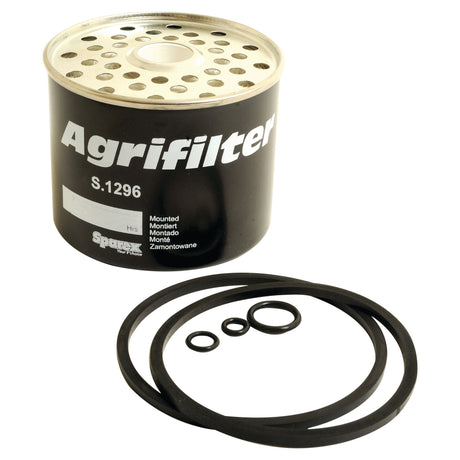
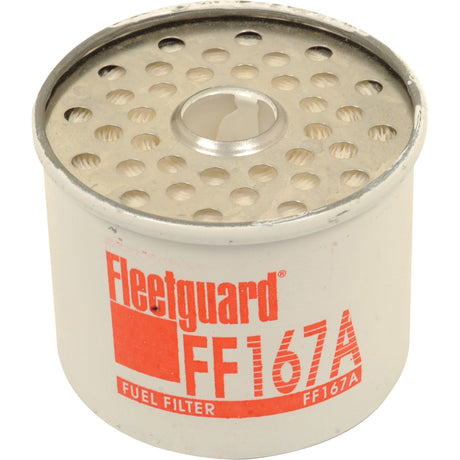
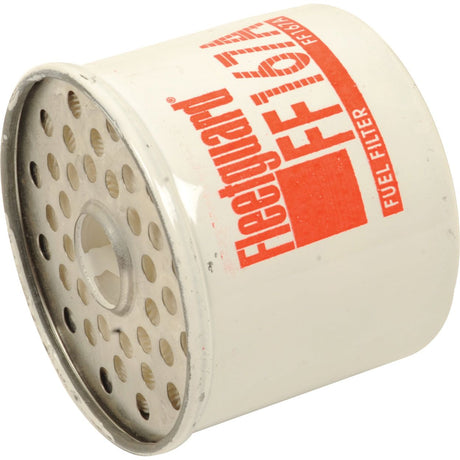
- Filters, service parts and consumables: as specified for the tractor's hydraulic/transmission arrangement.
Use our Massey Ferguson 135 parts collection to browse model-related options. For a closer look at one component, see our MF 135 hydraulic pump guide and MF 135 hydraulic valve guide. Confirm fitment before ordering.
Hydraulic fault-finding questions
Why does my MF 135 lift slowly when the oil gets hot?
Heat-related slow lifting can be consistent with internal leakage, wear or unsuitable fluid, but it is not a reliable diagnosis of pump failure. A technician should establish the fault with the correct manual and test equipment.
Why will the MF 135 lift arms not stay raised?
Internal hydraulic leakage is one possible cause. Avoid leaving a raised implement unsupported while investigating; establish the leak location before buying replacement parts.
Can I use any hydraulic oil in my MF 135?
No. Lubricant grade and compatibility must be checked against the exact tractor's specification, particularly where transmission, hydraulics and brakes share oil. Do not substitute fluids solely because their labels both mention hydraulics.
Do I need a new hydraulic pump?
Not necessarily. Controls, oil level, seals and valves may produce similar symptoms. A pressure test carried out to the manufacturer's procedure can help establish whether pump replacement is justified.
Find the right parts without guessing
Browse MF 135 replacement parts or contact the Farming Parts team with the tractor serial number, photographs of any part markings and a short description of the fault. For other driveline symptoms, see our MF 135 clutch adjustment and fault guide. This guidance is general and should be checked against the appropriate official manual before repair.